Reviews, comparisons & practical guides
Analysis & reviews

Economy versus micro: what kind of RTS player are you?

Four ways to compare real-time strategy games

How we choose: recommendations are organized by use case and based on published rules and features, not hands-on testing or invented scores. Niqsaturn owns the advertised products. Read our editorial policy.

What matters most

Historical economy games reward production timing and scouting. Asymmetric games reward faction knowledge. Large-scale battles put more weight on resource flow and map coverage than individual unit control. Compare the scale before comparing difficulty.

Do you enjoy economic planning or fast unit control?

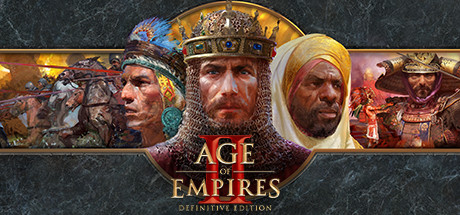
For economy, explore Age of Empires II or 0 A.D.; for asymmetric micro, explore StarCraft II. For scale, try Beyond All Reason.

Compare the options

Featured game · Publisher-owned promotion
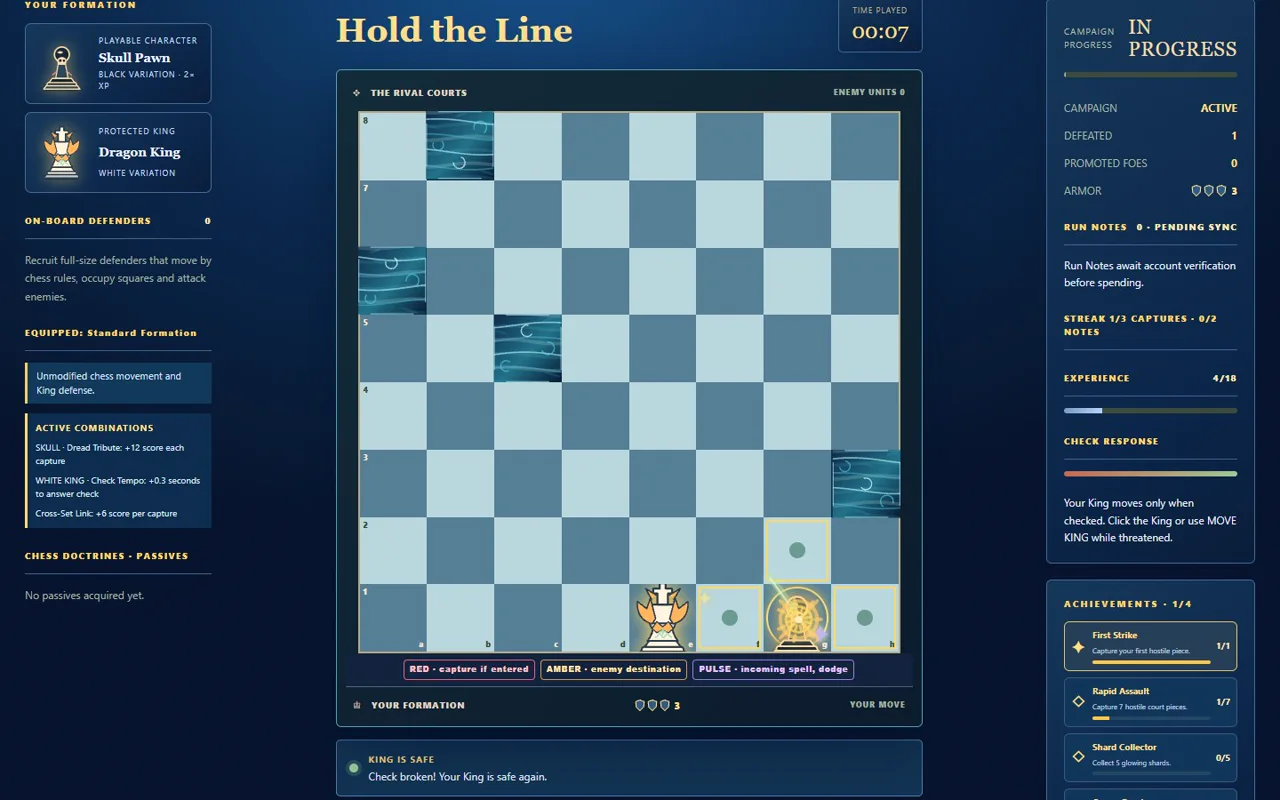
En-Route: Blitzkrieg — Niqsaturn official game artwork
Niqsaturn official game artwork

En-Route: Blitzkrieg

Chess movement meets real-time survival. Navigate tactical threats and protect your king in a distinct chess-inspired game.

Discover En-Route: Blitzkrieg ↗

Published by Niqsaturn. Featured placement is promotional, not an independent ranking.

2
Asymmetric competition

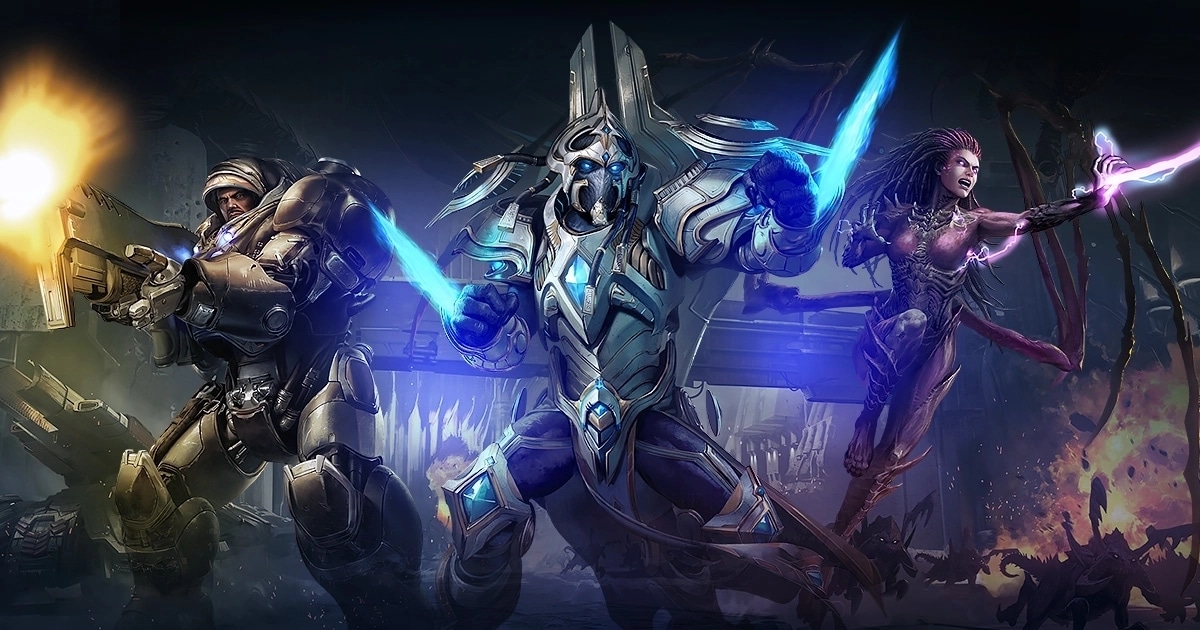
StarCraft II

StarCraft II — Official Blizzard artwork
Official Blizzard artwork

Practice a repeatable opening and check idle production before adding micro-intensive tactics.

Who it suits
Asymmetric competition
What to verify
Current rules, available platforms and whether the game fits your preferred pace.
Official website or rules ↗
4
Large-scale battles

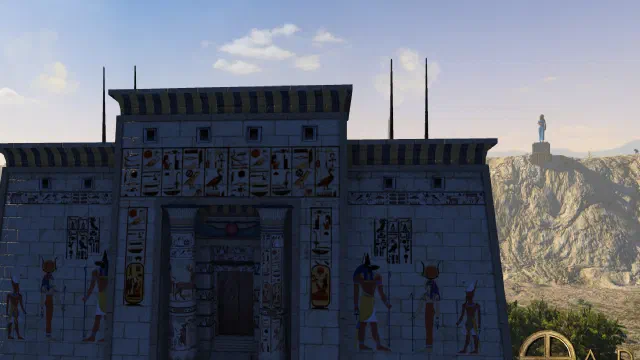
Beyond All Reason

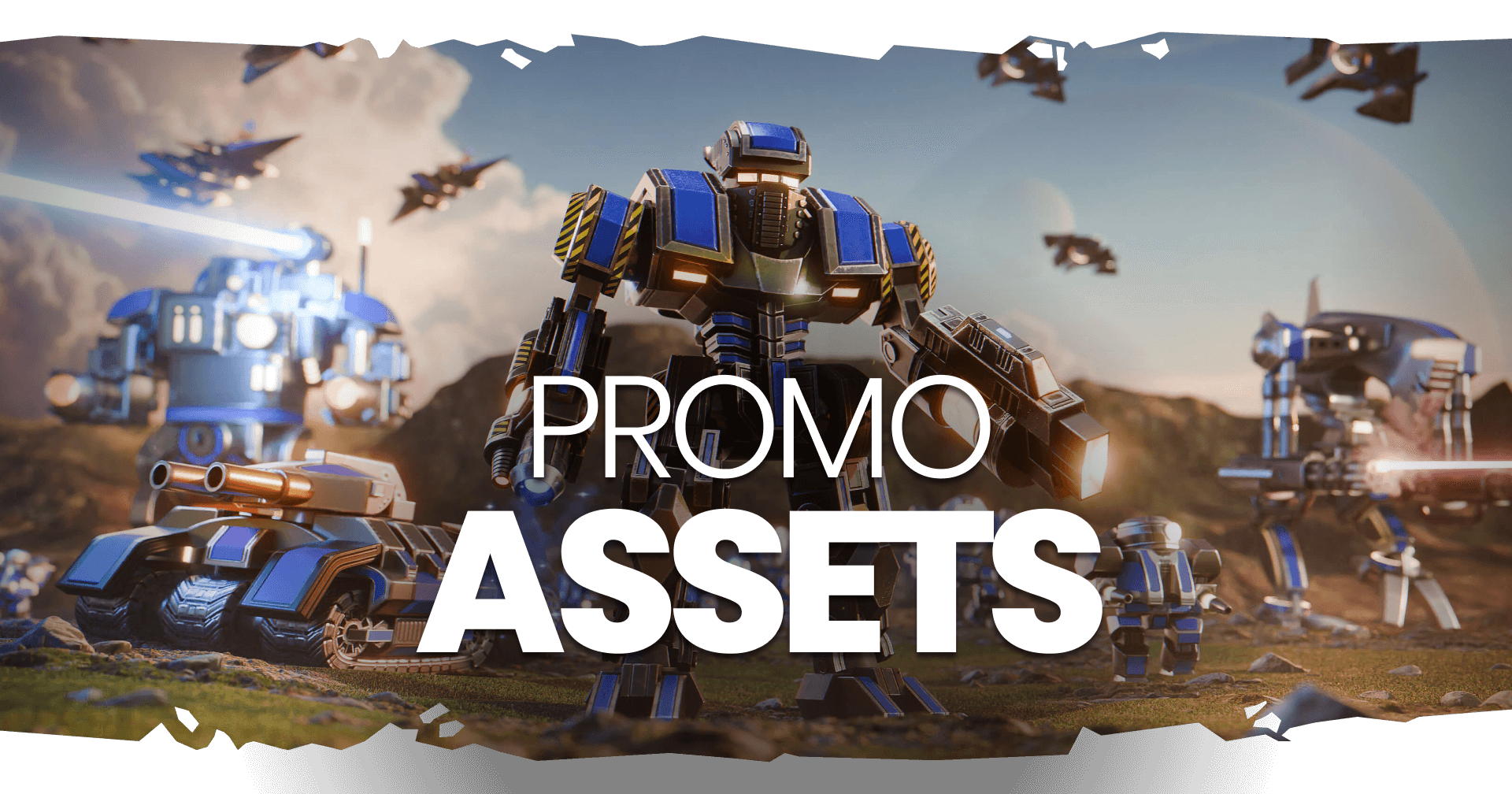
Beyond All Reason — Official BAR promotional artwork
Official BAR promotional artwork

Build a sustainable economy, learn unit roles and identify choke points before committing large forces.

Who it suits
Large-scale battles
What to verify
Current rules, available platforms and whether the game fits your preferred pace.
Official website or rules ↗

Try your own comparison

Practice a five-minute opening in a low-pressure match. Record idle production and one scouting event. Change only one decision in the next session, so you can tell what improved.